

The Role of Luck in Casino Games
Luck plays a crucial role in casino games, acting as the unseen hand that influences outcomes regardless of strategy or skill. In many cases, players enter the casino with the hope that fortune will favor them, leading to unexpected wins, especially when they try their luck with pokies online australia which add an exciting twist to the experience. This element of chance is particularly pronounced in games like slots and roulette, where the results are purely random, unaffected by previous spins or bets. Every player must grapple with the reality that no amount of mathematical skill can predict the next outcome in these games.
The randomness of luck also contributes to the thrill and excitement of playing casino games. It’s the anticipation of hitting a jackpot or winning a hand that keeps players engaged, often leading them to return for more. For instance, in a game of blackjack, while players can employ a solid strategy based on probability, the cards they receive are inherently unpredictable. This dynamic creates an exhilarating atmosphere, where the potential for luck to intervene keeps the experience fresh and thrilling.
Moreover, understanding the role of luck is essential for responsible gambling. Recognizing that luck is a significant factor can help players maintain realistic expectations and avoid chasing losses. It’s vital to approach gambling with the mindset that it is a form of entertainment, where the outcome can be as unpredictable as the roll of the dice. This perspective can mitigate the potential downsides of gambling, allowing for a more enjoyable experience devoid of undue stress over winning or losing.
The Psychology of Luck
The psychology surrounding luck in gambling is as fascinating as it is complex. Many players develop a sense of superstition or rituals in hopes of attracting luck, such as wearing lucky clothing or performing specific actions before making a bet. These behaviors stem from the desire to exert some control over an uncontrollable factor, reflecting a common human tendency to seek patterns in randomness. Such beliefs can enhance the gambling experience as they create an engaging narrative around luck.
Furthermore, the perception of luck can vary significantly among different players. Some individuals view themselves as inherently lucky or unlucky based on their gambling experiences, which influences their future betting behavior. For example, a player who has enjoyed a string of wins may feel invincible, leading to riskier bets fueled by confidence in their perceived luck. Conversely, a string of losses can foster a sense of despair or resignation, impacting a player’s willingness to wager again.

This psychological aspect of luck also plays a role in player retention for casinos. By creating an environment where luck seems prevalent—through frequent small wins, engaging graphics, and rewarding player loyalty—casinos can encourage players to return. The belief in luck can become a powerful motivator, drawing players back to the tables or slot machines in search of that next winning moment, keeping the cycle of gambling alive.
The Mathematics of Chance
Beneath the surface of games of chance lies a complex mathematical framework that governs outcomes. Each game has its own set of odds, reflecting the likelihood of various results. For instance, in a standard deck of playing cards, the probability of hitting a specific hand in poker can be calculated, providing skilled players an edge when making decisions. However, the inherent unpredictability of luck remains a constant variable that can sway the results in any direction.
Understanding these odds can enhance a player’s strategy, as they can make informed decisions about when to bet, raise, or fold. However, even the most strategic player cannot escape the randomness of luck. In many cases, players who experience a run of bad luck might find themselves questioning their approaches, even when they are mathematically sound. This complexity highlights the fine line between strategy and luck in casino games, as both can dramatically influence outcomes.
Additionally, different games incorporate various elements of chance, affecting how players approach their gameplay. For example, in games like baccarat, the simplicity of the rules combined with the random shuffling of cards means that luck is the primary determinant of success. In contrast, strategic games like blackjack allow for calculated risks, yet ultimately depend on the chance of the next card. This intricate interplay between mathematics and luck underscores the unique nature of each casino game.
The Impact of Luck on Gambling Behavior
The influence of luck extends beyond individual games, shaping broader gambling behavior and trends. Players often flock to games perceived as “luckier,” such as slot machines, where the potential for large payouts sparks excitement. The allure of luck in these games reinforces the concept of risking small amounts for the chance of substantial returns, captivating players from all walks of life. Understanding this behavior is crucial for both players and operators in the industry.
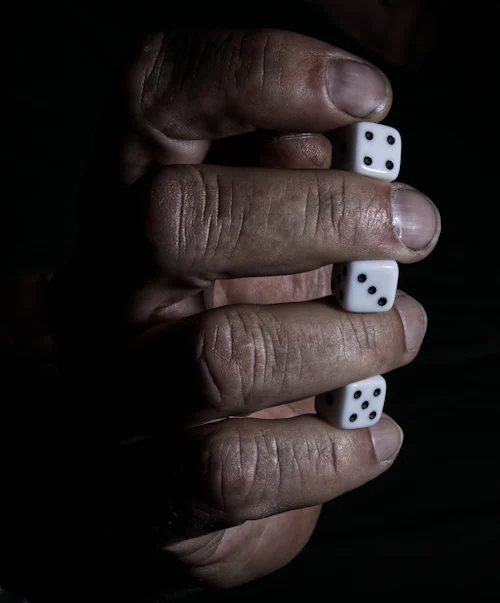
Interestingly, the perception of luck can also lead to a phenomenon known as the “gambler’s fallacy,” where players believe that past results influence future outcomes. For example, if a player sees a series of losses on a slot machine, they might think they are due for a win soon, despite each spin being independent. This misconception can lead to prolonged gambling sessions, often resulting in increased losses and emotional distress.
Furthermore, casinos and gaming establishments leverage the concept of luck to enhance player engagement. Bright lights, celebratory sounds, and engaging gameplay create an atmosphere that promotes the idea of winning. By reinforcing the notion of luck, casinos can attract players looking for that exhilarating experience, which in turn drives their business model. By understanding how luck shapes gambling behavior, players can navigate their experiences with a more balanced approach.
Understanding Responsible Gambling
In the dynamic world of casino games, promoting a balanced understanding of luck is essential for responsible gambling. Recognizing that luck plays a pivotal role can help players manage their expectations and embrace a healthier approach to gaming. It’s crucial for players to set limits on their gambling activities, acknowledging that both wins and losses are a natural part of the experience. By cultivating a realistic attitude towards luck, players can enjoy their time in casinos without falling into the traps of addiction or financial trouble.
Casinos are increasingly adopting responsible gambling practices, providing resources and support for players. This includes educational materials that emphasize the importance of understanding chance and luck. By fostering a culture that prioritizes responsible gaming, casinos aim to create a safe environment where players can enjoy their favorite games while being mindful of their limits. This approach not only benefits players but also contributes to the long-term sustainability of the gambling industry.
Ultimately, grasping the nature of luck and chance in casino games can enhance the overall gaming experience. By embracing responsible gambling, players can find enjoyment in the unpredictability of luck while maintaining a healthy relationship with gaming. It’s a delicate balance, yet understanding these concepts can lead to a more fulfilling experience in the world of chance-based entertainment.