
The allure of slot machines
Slot machines have captivated millions with their visually stimulating designs and engaging mechanics. Bright lights, immersive sounds, and vibrant colors work together to create a sensory experience that entices players to engage for longer periods than intended. This instant gratification from spinning reels provides a rush of excitement, fostering an environment where players often lose track of time and money, much like the community at burreltonprimaryschool.org.uk where many share their gaming experiences. The thrill of the game sets a foundation for patterns of behavior that can lead to addiction, as players seek to replicate that initial high.
Moreover, slot machines leverage psychological triggers that keep players returning for more. One of the most significant factors is the concept of variable rewards, wherein players are rewarded unpredictably. This randomness generates anticipation and excitement, as players yearn for the possibility of a big win. The brain responds to this stimulus by releasing dopamine, a neurotransmitter linked to pleasure and reward, reinforcing the desire to play again. This craving establishes a perilous cycle, where the joy of potential success outweighs the risks involved.
The accessibility of slot machines has further intensified their appeal. With the advent of online gaming, players can indulge in these enticing games from the comfort of their homes, leading to increased frequency and duration of play. This convenience, combined with enticing promotions and the allure of quick payouts, creates a blurred line between healthy gaming and compulsive gambling. As such, individuals may find themselves caught in a web of addiction, unaware of the potential consequences of their actions.
The role of cognitive biases
Cognitive biases are fundamental in shaping how players interact with slot machines, leading to irrational decision-making. One prevalent bias is the illusion of control, which causes players to believe they possess some influence over the game’s outcome through skill or strategy. This misguided belief can extend playtime, as individuals convince themselves that their actions will yield favorable results. In reality, slot machine outcomes are determined by random number generators, rendering any notion of control illusory and potentially dangerous.
Another cognitive bias that significantly impacts gambling behavior is the gambler’s fallacy. This belief leads players to think that past results influence future outcomes. For instance, after several losses, a player may feel they are “due” for a win, prompting them to increase their bets in hopes of recouping previous losses. This mindset can trap individuals in a cycle of extended play, driven by the false hope of an imminent winning streak, often resulting in deeper financial troubles.

Lastly, the availability heuristic contributes to how players perceive their chances of winning. Many people overestimate the frequency of wins based on memorable events, such as stories of substantial jackpots. This creates a false sense of optimism, encouraging players to believe that their likelihood of winning is higher than it actually is. Consequently, they may invest more time and money into gambling, lured by the promise of quick riches while ignoring the harsh realities of the odds stacked against them.
The impact of social factors
Social dynamics play a crucial role in the development of slot machine addiction. For many, gambling is perceived as a social activity, where individuals bond over shared experiences in casinos or online platforms. This communal aspect fosters a sense of belonging and camaraderie, which can intensify the desire to participate in gambling. The collective highs of winning or the shared lows of losing can enhance these experiences, leading to an increase in play frequency within social circles.
Cultural attitudes and societal norms surrounding gambling also shape individual perceptions of slot machines. In cultures where gambling is normalized or glorified, individuals may view slot play as a harmless pastime rather than a potential risk. This acceptance can obscure the dangers of excessive gambling, making it harder for individuals to recognize when their behavior has escalated into addiction. Furthermore, media portrayals often romanticize gambling, creating an illusion of ease and success that can encourage participation without adequately addressing the associated risks.
Peer pressure can further amplify the likelihood of developing an addiction. Individuals often feel compelled to engage in slot play due to the influence of friends or the desire to impress fellow gamblers. This external pressure, combined with the psychological triggers unique to slot machines, can entrap individuals in a cycle of compulsive behavior. As a result, they may overlook their financial limits and continue gambling to conform to social expectations or to maintain their social standing.
Understanding the withdrawal cycle
The withdrawal cycle related to slot machine addiction is complex and intertwined with various psychological factors. When individuals attempt to cut back or quit gambling, they often encounter withdrawal symptoms akin to those of substance addiction. Feelings of irritability, anxiety, and restlessness may arise, prompting a return to gambling as a means of coping. This cycle of withdrawal and relapse creates a formidable grip on the individual, making it increasingly challenging to regain control over their gambling habits.
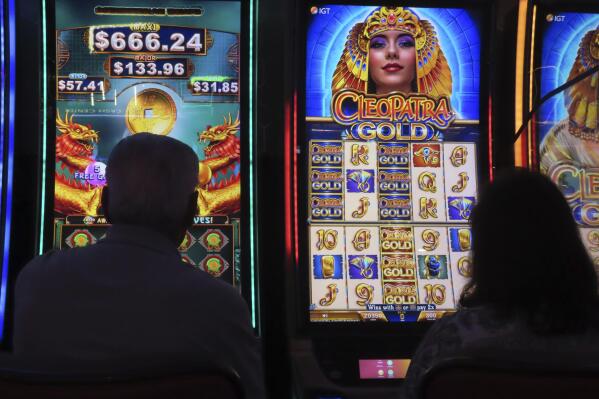
The anticipation of potential wins complicates the withdrawal experience further. Even after recognizing the negative impacts of their gambling behavior, individuals may find themselves drawn back to the machines due to the allure of hitting a life-changing jackpot. This craving for the euphoric highs associated with gameplay can overshadow the consequences of their actions, leading to a continuous pattern where they gamble despite clear signs of financial and emotional harm.
Additionally, the stigma surrounding gambling addiction can worsen the withdrawal cycle. Many individuals experience shame or guilt about their addiction, which can lead them to hide their behavior or avoid seeking help. This isolation amplifies feelings of distress and heightens the compulsion to gamble, creating a vicious cycle that is difficult to escape. To break free from this cycle, a deep understanding of its complexities is essential for developing effective treatments and support systems for those grappling with slot machine addiction.
Resources for recovery and support
For those struggling with slot machine addiction, seeking help is a pivotal step toward recovery. Numerous resources are available to provide support and guidance, ranging from counseling services to support groups. Professional therapists specializing in behavioral addiction can assist individuals in understanding their triggers and developing healthier coping mechanisms. These services often employ cognitive-behavioral therapy techniques to address the psychological factors contributing to gambling behaviors.
Support groups, such as Gamblers Anonymous, offer a community of individuals who share similar experiences, creating an environment of understanding and encouragement. Sharing personal stories and challenges can help individuals feel less isolated in their struggles, providing motivation to stay committed to their recovery journey. Moreover, these groups often provide valuable resources for families and friends of individuals affected by gambling addiction, fostering a broader network of support that extends beyond the individual.
Awareness of the psychological aspects of slot machine addiction can empower individuals to recognize the signs of their behavior and seek help early. Educating oneself about the risks and mechanics of slot machines can promote responsible gambling practices. By understanding the psychological triggers and social influences that drive addiction, individuals can take proactive steps toward establishing a healthier relationship with gambling, ultimately leading to a more balanced and fulfilling life.