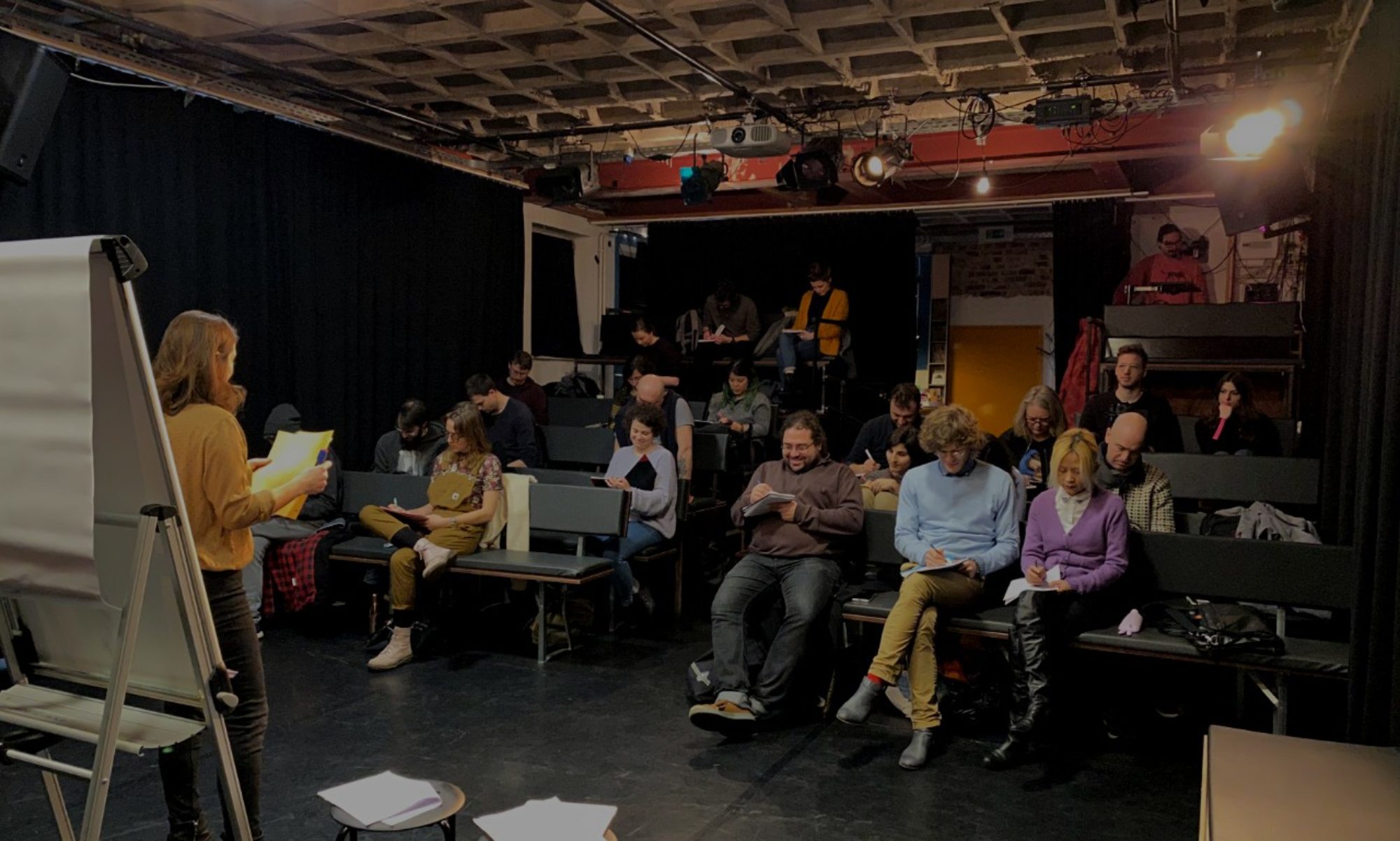

- Vibrant storytelling and festival play enhance community experiences for everyone
- The Historical Roots of Festival Play
- The Role of Festival Play in Modern Communities
- Planning and Executing a Successful Festival Play Event
- The Intersection of Festival Play and Artistic Expression
- Beyond Entertainment: The Social Impact of Festival Play
- Future Trends in Festival Play and Community Engagement
Vibrant storytelling and festival play enhance community experiences for everyone
The heartbeat of any community often lies in its shared experiences, and few things foster that connection quite like a vibrant cultural event. Among the most captivating of these are instances of festival play, a diverse spectrum of performances and interactive events that transform public spaces into realms of imagination and collective excitement. From elaborate theatrical productions staged outdoors to impromptu musical jam sessions and participatory art installations, festival play serves as a catalyst for social interaction, creative expression, and a heightened sense of belonging. These events aren't merely spectacles; they're dynamic ecosystems where stories are told, traditions are honored, and new connections are forged.
The appeal of these gatherings extends far beyond entertainment value. They provide a platform for local artists and performers to showcase their talent, injecting vitality into the cultural landscape. Moreover, festival play often plays a significant role in economic development, attracting tourists and supporting local businesses. The collaborative nature of organizing and participating in such events strengthens community bonds, fostering civic pride and a shared sense of identity. These events encourage people to step outside their daily routines and engage with their surroundings in new and meaningful ways, truly enriching the lives of those involved.
The Historical Roots of Festival Play
The roots of festival play are deeply embedded in human history, extending back to ancient ceremonies and rituals. Throughout the ages, societies have utilized festivals as opportunities for celebrating harvests, honoring deities, marking seasonal changes, and solidifying social structures. Ancient Greek dramas, often performed during religious festivals like the City Dionysia, represent some of the earliest documented forms of theatrical festival play. These performances weren’t simply artistic endeavors; they were integral to the religious and civic life of the community. Similarly, many indigenous cultures across the globe have long traditions of incorporating performance and storytelling into their seasonal festivals and ceremonies. These events often served to transmit cultural knowledge, reinforce social norms, and promote community cohesion.
As societies evolved, so too did the nature of festival play. The medieval period saw the emergence of mystery plays, morality plays, and folk festivals that often combined religious themes with popular entertainment. These events were frequently performed in public squares and marketplaces, bringing art and culture directly to the people. The Renaissance witnessed a revival of classical drama and the development of new theatrical forms, further enriching the tradition of festival play. Over time, these ancient roots blossomed into the diverse range of festivals we recognize today, each reflecting the unique cultural heritage and values of its community. The democratic aspect of early performances, being readily accessible to all social strata, remains a core element of modern festival thinking.
| Festival Type | Historical Origin |
|---|---|
| Religious Festivals | Ancient ceremonies honoring deities and marking sacred events. |
| Harvest Festivals | Celebrations of agricultural abundance and gratitude for the land's bounty. |
| Civic Festivals | Events designed to strengthen community bonds and celebrate civic achievements. |
| Theatrical Festivals | Origins traced to ancient Greek dramas and medieval mystery plays. |
The enduring popularity of festival play speaks to a fundamental human need for shared experience, creative expression, and a sense of belonging. The very architecture of modern festivals often seeks to echo the communal spirit of its historical precursors.
The Role of Festival Play in Modern Communities
In the contemporary world, festival play continues to play a vital role in shaping and enriching community life. Modern festivals provide a much-needed antidote to the increasing isolation and fragmentation often associated with modern urban living. They offer opportunities for people to come together, interact, and share experiences, fostering a sense of collective identity and belonging. Crucially, these events aren't limited to large-scale, professionally produced spectacles. They encompass a wide range of activities, from local arts fairs and music festivals to neighborhood parades and community theater productions. The smaller, more grassroots events are often particularly impactful, providing a platform for local talent and fostering a strong sense of local pride.
The impact extends to economic revitalization. Festivals attract visitors, boosting local businesses, and generating revenue for the community. Beyond the immediate economic benefits, festivals can also contribute to the long-term development of a vibrant and attractive cultural landscape. This, in turn, can attract new residents and businesses, further strengthening the community’s economic base. Moreover, festivals often serve as a catalyst for collaboration between different community groups, fostering partnerships and strengthening social networks. This collaborative spirit is essential for tackling the complex challenges facing many communities today. The ability of a town, for example, to host a successful annual music event can be a key marker of its overall health and vitality.
- Promotes social interaction and a sense of belonging.
- Provides a platform for local artists and performers.
- Stimulates economic activity and supports local businesses.
- Fosters collaboration between community groups.
- Enhances the quality of life for residents and visitors alike.
The power of a well-organized festival to transform a community's image and attract attention cannot be overstated. Success often depends on balancing tradition and innovation.
Planning and Executing a Successful Festival Play Event
Organizing a successful festival play event requires careful planning, meticulous execution, and a dedicated team of volunteers. The initial stages involve defining the event's scope, target audience, and overall theme. It’s crucial to clearly articulate the event’s objectives and identify the resources needed to achieve them. This includes securing funding, obtaining necessary permits and licenses, and recruiting volunteers. A well-defined budget is essential, outlining all anticipated expenses and revenue sources. Thorough risk assessment is also vital, identifying potential hazards and developing contingency plans to mitigate them. This proactive approach ensures the safety and well-being of attendees and minimizes the risk of disruptions.
Effective marketing and promotion are key to attracting attendees. Utilizing a combination of traditional and digital marketing channels is recommended, including social media, local newspapers, radio stations, and email marketing. Creating a visually appealing website and developing engaging social media content can significantly boost awareness and generate interest. Building partnerships with local businesses and community organizations can also expand the event’s reach. Logistics are paramount. This includes site selection, event layout, transportation, parking, security, and accessibility. Ensuring that the event is accessible to people of all abilities is not only ethically responsible but also enhances its inclusivity and appeal. Attention to detail, from clear signage to readily available information, greatly contributes to a positive attendee experience.
- Define the event’s scope, target audience, and theme.
- Develop a detailed budget and secure funding.
- Obtain necessary permits and licenses.
- Implement a comprehensive marketing and promotion strategy.
- Manage event logistics, including site selection, security, and accessibility.
Remembering that a genuinely successful festival is rarely a ‘one-hit wonder’ – consistent evaluation and adaptation each year is crucial for sustained public engagement.
The Intersection of Festival Play and Artistic Expression
Festival play serves as a powerful catalyst for artistic expression, providing artists with a platform to showcase their work and connect with audiences in meaningful ways. The immersive and celebratory atmosphere of festivals encourages experimentation, collaboration, and the exploration of new artistic forms. From traditional music and dance performances to contemporary visual arts installations and interactive theater productions, festivals embrace a wide range of artistic disciplines. This diversity enriches the cultural landscape and exposes audiences to new perspectives and ideas. The informal and accessible nature of festivals often removes barriers to artistic engagement, encouraging participation from both seasoned artists and emerging talents.
The collaborative spirit inherent in festival play often leads to the creation of innovative and groundbreaking artistic works. Artists from different disciplines and backgrounds come together, sharing their skills and expertise to create something truly unique. This cross-pollination of ideas and techniques can spark creativity and push the boundaries of artistic expression. Furthermore, the feedback and interaction with audiences at festivals provide artists with valuable insights and inspiration, informing their future work. The vibrant energy and enthusiastic reception of festival audiences can be incredibly motivating for artists, encouraging them to take risks and explore new creative avenues. A small, local theatre group, for example, might benefit enormously from the exposure to a wider audience gained through a regional festival.
Beyond Entertainment: The Social Impact of Festival Play
The social impact of festival play extends far beyond mere entertainment. These events play a vital role in fostering social cohesion, promoting cultural understanding, and addressing important social issues. Festivals provide a space for people from diverse backgrounds to come together, interact, and share experiences, breaking down barriers and promoting empathy. They can also serve as a platform for raising awareness about social issues and advocating for positive change. Documentary screenings, panel discussions, and workshops are often incorporated into festival programs, providing opportunities for dialogue and critical reflection. Moreover, festivals can empower marginalized communities by providing them with a voice and a platform to share their stories.
The participatory nature of many festival events encourages active citizenship and community involvement. Volunteering at a festival, for example, not only contributes to its success but also fosters a sense of ownership and responsibility within the community. The collaborative process of organizing and participating in festivals strengthens social networks and builds trust among community members. Ultimately, festival play contributes to the creation of more vibrant, inclusive, and resilient communities. The shared joy and collective memory created during these events have a lasting impact, strengthening the bonds that hold communities together. The promotion of local artisans and crafts, frequently seen at festivals, also helps to preserve cultural traditions and support local livelihoods.
Future Trends in Festival Play and Community Engagement
The landscape of festival play is constantly evolving, driven by technological advancements, changing social demographics, and a growing emphasis on sustainability and inclusivity. We are likely to see an increasing integration of digital technologies into festival experiences, such as virtual reality, augmented reality, and interactive installations. These technologies can enhance audience engagement, create immersive environments, and expand access to festival content. Another emerging trend is the rise of hyperlocal festivals—events that are deeply rooted in the local community and celebrate its unique culture and heritage. These festivals often prioritize sustainability and aim to minimize their environmental impact.
Furthermore, there is a growing demand for festivals that address important social and environmental issues, such as climate change, social justice, and cultural diversity. These festivals provide a platform for dialogue, education, and advocacy, empowering attendees to become active agents of change. Consider, for example, the rise of ‘eco-festivals’ that combine entertainment with environmental education and sustainable practices. The future of festival play lies in its ability to adapt and innovate while remaining true to its core values of community, creativity, and social connection. By embracing new technologies, fostering inclusivity, and promoting sustainability, festivals can continue to enrich our lives and strengthen our communities for generations to come.